

Predator of the Western Seaway
Regular price
Sale price
$0.00 USD
Unit price
per
19 x 35 3/8 x 2 1/4 in. (48.3 x 89.9 x 5.7 cm)
Late Cretaceous, circa 100-66 million years old
Found: Niobrara Formation, Kansas, United States
Couldn't load pickup availability
Provenance
Provenance
Literature
Literature
Condition Report
Condition Report
Available upon request
Please fill out the below form and you will receive a response from a Phillips Specialist shortly.
Essay
Essay
More Details
More Details
"Know Your Client" (KYC) Verification Required

-
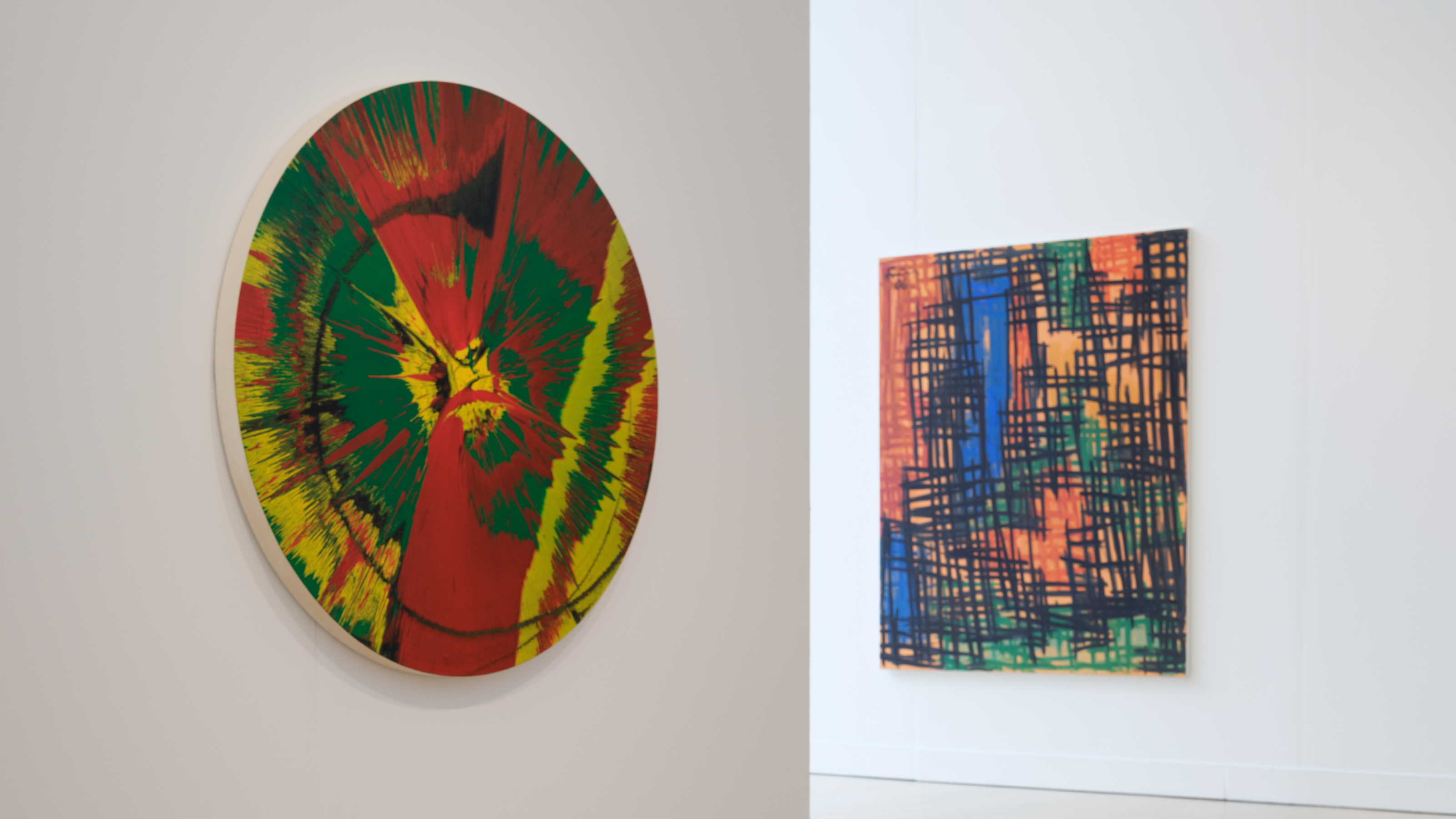
About PhillipsX
Explore NowPhillipsX is a dynamic selling exhibition platform operated by the global Private Sales team at Phillips, the destination for international collectors to buy and sell the world’s most important Modern and Contemporary art, design, and luxury items.
-

Contact Us
Enquire NowQuestions? Click the button below to request an exhibition catalogue or to learn more about a specific work on offer.
